
AAST Liver Trauma Grading & Score Calculator
References:
- AAST (American Association for the Surgery of Trauma) 2018 guideline for hepatic injury scoring.
- Organ injury scaling: spleen, liver, and kidney. Moore EE, Shackford SR, Pachter HL, McAninch JW, Browner BD, Champion HR, Flint LM, Gennarelli TA, Malangoni MA, Ramenofsky ML, Trafton PG. J Trauma. 1989 Dec;29(12):1664-6.
- Organ injury scaling: spleen and liver (1994 revision). Moore EE, Cogbill TH, Jurkovich GJ, Shackford SR, Malangoni MA, Champion HR. J Trauma. 1995 Mar;38(3):323-4.
Related Calculators
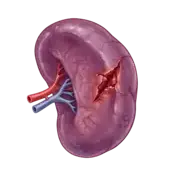
Splenic injury grading using AAST criteria based on laceration depth, hematoma size, and vascular injury patterns.
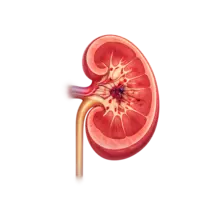
Renal injury grading using AAST criteria based on imaging findings and extent of parenchymal and vascular damage.

Liver lesion classification for hepatocellular carcinoma risk using CT, MRI, ultrasound, and contrast-enhanced ultrasound.
Quantification of liver steatosis using attenuation or signal characteristics on CT and MRI imaging.

More about AAST Liver Trauma Calculator for Hepatic Injury Grading
The AAST Liver Trauma Calculator is a specialized tool that helps radiologists, trauma surgeons, and emergency medicine professionals evaluate and grade liver injuries based on CT imaging. This calculator is based closely on the American Association for the Surgery of Trauma (AAST) Liver Injury Scale as updated in 2018, which standardizes the classification of liver injuries from minor contusions to complex parenchymal disruptions and vascular trauma. While independently developed and not officially associated with the AAST, this tool is designed to follow their well-established criteria for injury grading, providing a consistent approach in trauma care.
The AAST Organ Injury Scales (OIS) are widely used for categorizing injuries to solid organs, with particular focus on the liver, spleen, and kidneys for radiology-based scoring. Accurate grading of liver trauma on imaging is essential for effective multispecialty communication, treatment planning, and monitoring patient progress. Updated criteria address not only the depth of lacerations and size of hematomas but also incorporate imaging evidence of vascular injury, including pseudoaneurysms or active bleeding identified on dual-phase CT scans. Recent research highlights the importance of these advanced imaging features for treatment decisions and patient outcomes, especially as nonoperative management remains the standard of care for hemodynamically stable patients with even higher-grade injuries.
Liver injury grading supports a clear and evidence-informed workflow for trauma teams. Lower grades (I to II) are associated with limited lacerations or small hematomas, which are often managed conservatively. Higher grades (IV to V) include severe parenchymal disruption and significant vascular injury, sometimes requiring intervention. Importantly, dual-phase imaging, with both arterial and portal venous phases, is recommended to accurately detect arterial bleeding, pseudoaneurysms, and venous injuries that may alter management strategy.
Liver Injury Grading Calculator
Purpose: To offer a structured, imaging-focused assessment of hepatic trauma, translating CT findings into the appropriate AAST injury grade for use in clinical practice.
AAST Liver Trauma Grading Criteria (2018 Revision)
- Grade I (AIS Severity 2):
- Subcapsular hematoma <10% of surface area
- Parenchymal laceration <1 cm in depth
- Minor capsular tear
- Grade II (AIS Severity 2):
- Subcapsular hematoma 10–50% of surface area
- Intraparenchymal hematoma <10 cm diameter
- Laceration 1–3 cm in depth and ≤10 cm in length
- Grade III (AIS Severity 3):
- Subcapsular hematoma >50% of surface area or ruptured
- Intraparenchymal hematoma >10 cm
- Laceration >3 cm in depth
- Vascular injury with active bleeding contained within liver parenchyma
- Grade IV (AIS Severity 4):
- Parenchymal disruption involving 25–75% of a hepatic lobe
- Vascular injury with active bleeding extending beyond the liver into the peritoneum
- Grade V (AIS Severity 5):
- Parenchymal disruption >75% of hepatic lobe
- Juxtahepatic venous injury (retrohepatic vena cava or central major hepatic veins)
How to Use the AAST Liver Trauma Calculator
- Select the Organ: Indicate that the injury to be graded is the liver. Related calculators exist for spleen and kidney injuries.
- Describe Imaging Features: Input findings from CT imaging, including hematoma characteristics, laceration depth and length, any disrupted regions, and presence of vascular injury.
- Review the Suggested Grade: The calculator combines the input findings with current AAST criteria to determine the grade of hepatic injury.
- Apply in Clinical Context: Use the resulting grade in multidisciplinary trauma discussions, clinical documentation, and decision-making, while always prioritizing patient-specific factors.
Clinical Relevance and Application
Current trauma guidelines favor selective nonoperative management for the majority of hemodynamically stable hepatic injuries, including some high-grade injuries if there is no ongoing bleeding. Research confirms that nonoperative management reduces the need for transfusions and operations and is associated with favorable outcomes. However, cases involving hemodynamic instability, peritonitis, or ongoing hemorrhage often require prompt surgical or endovascular intervention. The adoption of standardized reporting using the AAST liver injury scale has improved communication between radiology and trauma teams and supports evidence-based care pathways.
Routine use of arterial and venous phase imaging is emphasized in the latest guidelines to improve detection of active bleeding and vascular injury. The calculator encourages accurate, reproducible grading and supports best practices in trauma care. Variability in grading and reporting may be reduced by implementing such structured tools in trauma centers.
Important Notes
This calculator is not affiliated with or officially endorsed by the American Association for the Surgery of Trauma (AAST). It is intended solely as a decision-support tool and does not supplant clinical judgment. All patient care should be individualized and guided by up-to-date guidelines, institutional protocols, and the expertise of multidisciplinary trauma teams.
Frequently Asked Questions (FAQ)
- What factors determine the grade of a liver injury?
Grading depends on CT findings such as hematoma size and location, depth of laceration, extent of parenchymal disruption, and evidence of vascular injury including active bleeding or venous involvement. - Should stable patients with severe liver injuries undergo surgery?
Most hemodynamically stable patients, even with higher-grade injuries, are considered for nonoperative management with close monitoring, unless there is evidence of ongoing hemorrhage or other urgent clinical indications. - Why is dual-phase CT recommended for liver trauma?
Dual-phase imaging is essential for detecting arterial bleeding and vascular injuries, which can affect both grading and the subsequent management plan. - Does this calculator provide a treatment recommendation?
The tool grades hepatic injuries but does not make management decisions. Clinical protocols and specialist guidance should always be followed for each case. - Can this calculator be used for pediatric liver injuries?
The calculator is based on the adult AAST scale. Many trauma centers use modified criteria for pediatric cases, so clinical discretion and additional consultation may be required for children.

PGY-5 Radiology and Nuclear Medicine Resident Physician
UT Southwestern Medical Center, USA